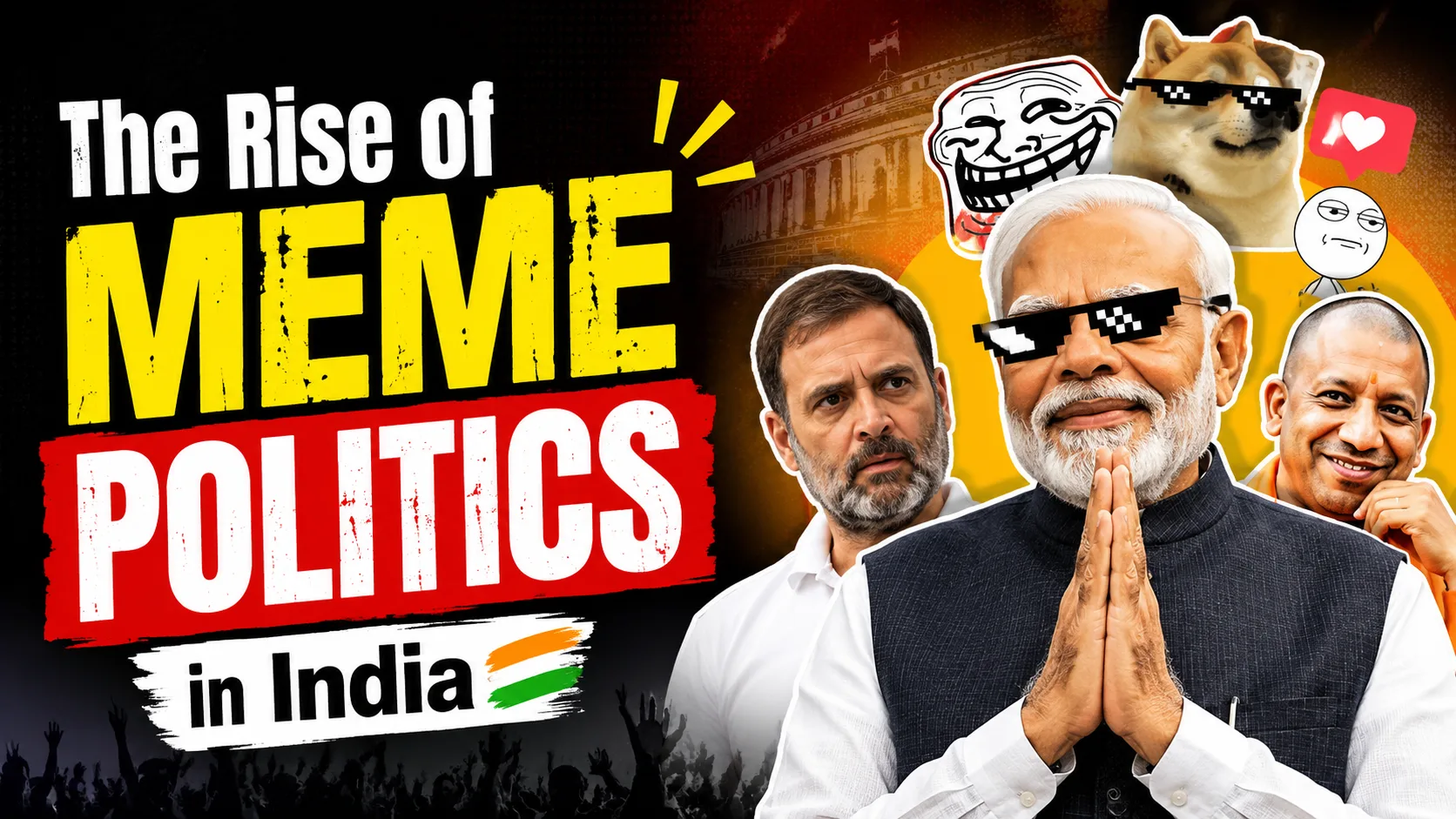
In the span of a single election cycle, the Indian political battleground shifted from crowded physical rallies to 15-second Instagram reels and encrypted WhatsApp forwards. What began as innocent internet humor has rapidly morphed into a sophisticated, multi-million-dollar psychological tool used to influence the world’s largest electorate. Today, a well-timed, algorithmic meme can dismantle a political career faster than a meticulously drafted policy manifesto can build one.
For the average Indian voter, the transition from traditional news to “meme news” fundamentally alters how they perceive reality. Complex economic policies, national security decisions, and institutional failures are now being distilled into bite-sized, often hyper-polarized visuals. When governance is replaced by punchlines, citizens risk voting based on algorithmic outrage rather than democratic debate.
The Weaponization of Humor
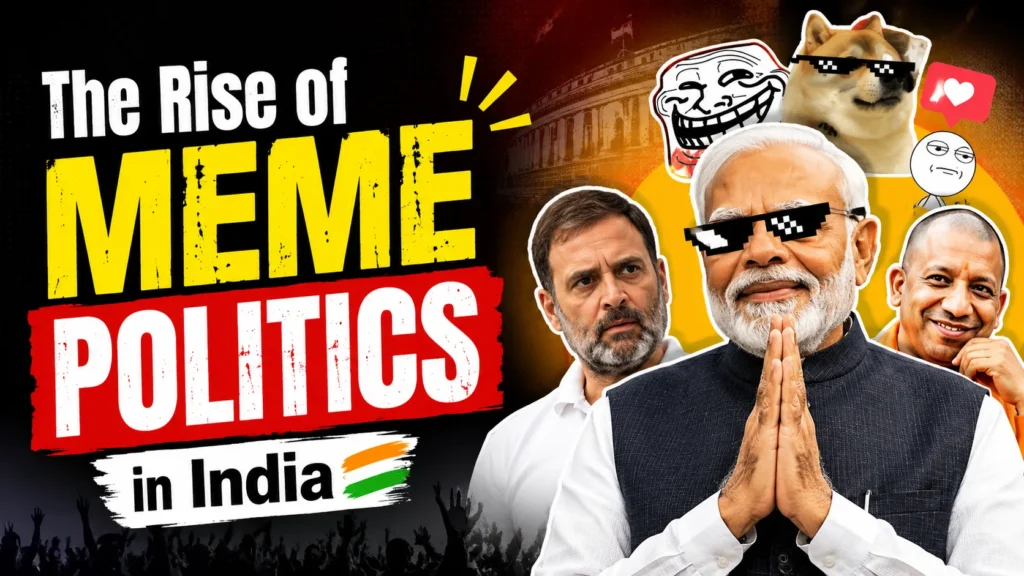
During the 2024 Indian General Elections—an exercise that cost an estimated $16 billion overall—meme marketing emerged as the ultimate political weapon. Both national and regional parties realized that while a 40-minute speech demands sustained attention, a meme demands only a swipe.
Political memes are highly effective for several structural reasons:
- Algorithmic Favoritism: Social media platforms prioritize high-engagement content. Satire, mockery, and outrage generate faster shares than objective news or nuanced policy breakdowns.
- Bypassing Fact-Checkers: A joke is rarely subjected to journalistic scrutiny. Political operatives use humor as a Trojan horse to smuggle in propaganda, unverified claims, or character assassinations without triggering strict platform moderation.
- Cost-Effectiveness: A single viral template can organically reach millions within hours, vastly outperforming the return on investment of traditional television or billboard advertising.
From IT Cells to “Organic” Virality
The architecture behind meme politics is rarely accidental. It is driven by highly organized political IT cells, well-funded PR firms, and outsourced digital marketing agencies that operate in the shadows of formal campaign finance.
While official political ad spending is tracked by the Election Commission of India (ECI), the shadow economy of meme pages operates largely off the books. In recent elections, official digital ad spends on Google and Meta ran into hundreds of millions of rupees—with major parties like the BJP, Congress, and AAP dominating the charts. However, official spends are just the tip of the iceberg.
To maintain plausible deniability, political parties routinely deploy proxy networks:
- Meme Factories: Specialized content creators are hired to churn out thousands of localized memes daily, exploiting regional languages, local grievances, and hyper-local pop culture.
- Pop-Culture Hijacking: During the 2024 election results, popular templates from web series like Panchayat and classic Hindi films like Hera Pheri and Gangs of Wasseypur dominated the internet. These cultural touchstones were cleverly repurposed to frame political victories or mock defeated candidates.
- Influencer Networks: Non-political “lifestyle” or “comedy” influencers are quietly compensated to share politically slanted memes, covertly targeting Gen Z and Millennial voters who actively avoid traditional news formats.
AI, Deepfakes, and the Erosion of Truth
The introduction of Generative AI has poured gasoline on the meme politics fire. India’s 2024 election was widely dubbed the first “AI election,” blurring the line between satire and severe disinformation.
Political IT cells crossed historical ethical boundaries by deploying AI-generated deepfakes under the guise of humor.
- Synthesized videos depicted top national leaders singing Bollywood songs or delivering fake confessions.
- Over 50 million AI-cloned, personalized voice calls were blasted to voters in the months leading up to the election.
- Deceased political figures were digitally resurrected to endorse current candidates, emotionally manipulating the electorate.
When an AI-generated meme goes viral on an encrypted platform like WhatsApp, tracing its origin or holding the creator accountable becomes nearly impossible. The distinction between harmless satire and malicious disinformation vanishes, leaving voters completely disoriented about what is real and what is synthetic.
The Democratic Cost of Bite-Sized Politics
While meme politics has successfully democratized political participation—allowing a teenager in rural Bihar to instantly critique a New Delhi policymaker—it carries severe institutional consequences.
First, it forces the oversimplification of complex issues. Structural challenges like inflation, unemployment, and foreign policy cannot be accurately explained in a viral image. Consequently, political discourse devolves into a game of “who can mock the opponent better” rather than who has the superior policy solution.
Second, it accelerates polarization. Memes inherently thrive on “us vs. them” narratives. By continuously caricaturing political opponents, these visuals harden ideological biases, deepen societal divisions, and destroy the middle ground necessary for a functioning democracy.
The Road Ahead: Regulation vs. Free Speech
Addressing the toxic fallout of meme politics requires structural reform without infringing on the fundamental right to free speech. The ECI and regulatory bodies face a monumental challenge in keeping pace with digital innovation.
Possible institutional fixes include:
- Financial Transparency: Mandating that digital PR agencies, meme pages, and influencer networks explicitly declare their political affiliations and funding sources during campaign periods.
- Algorithmic Accountability: Holding social media giants accountable for algorithms that actively promote political polarization and deepfake amplification, demanding faster takedowns of synthetic disinformation.
- Digital Literacy Drives: Integrating media literacy into the educational system and civil society, teaching citizens to critically evaluate the source, intent, and authenticity behind viral content.
Conclusion
Meme politics in India is not a passing internet trend; it is a permanent rewiring of the democratic process. It has transformed elections into a relentless digital spectacle where truth is secondary to virality, and nuance is sacrificed at the altar of engagement.
If political accountability is reduced to a viral punchline, the joke, ultimately, will be on the voters.
Also Read The 50-Million Backlog: Is India’s Justice System Built Only for the Rich?