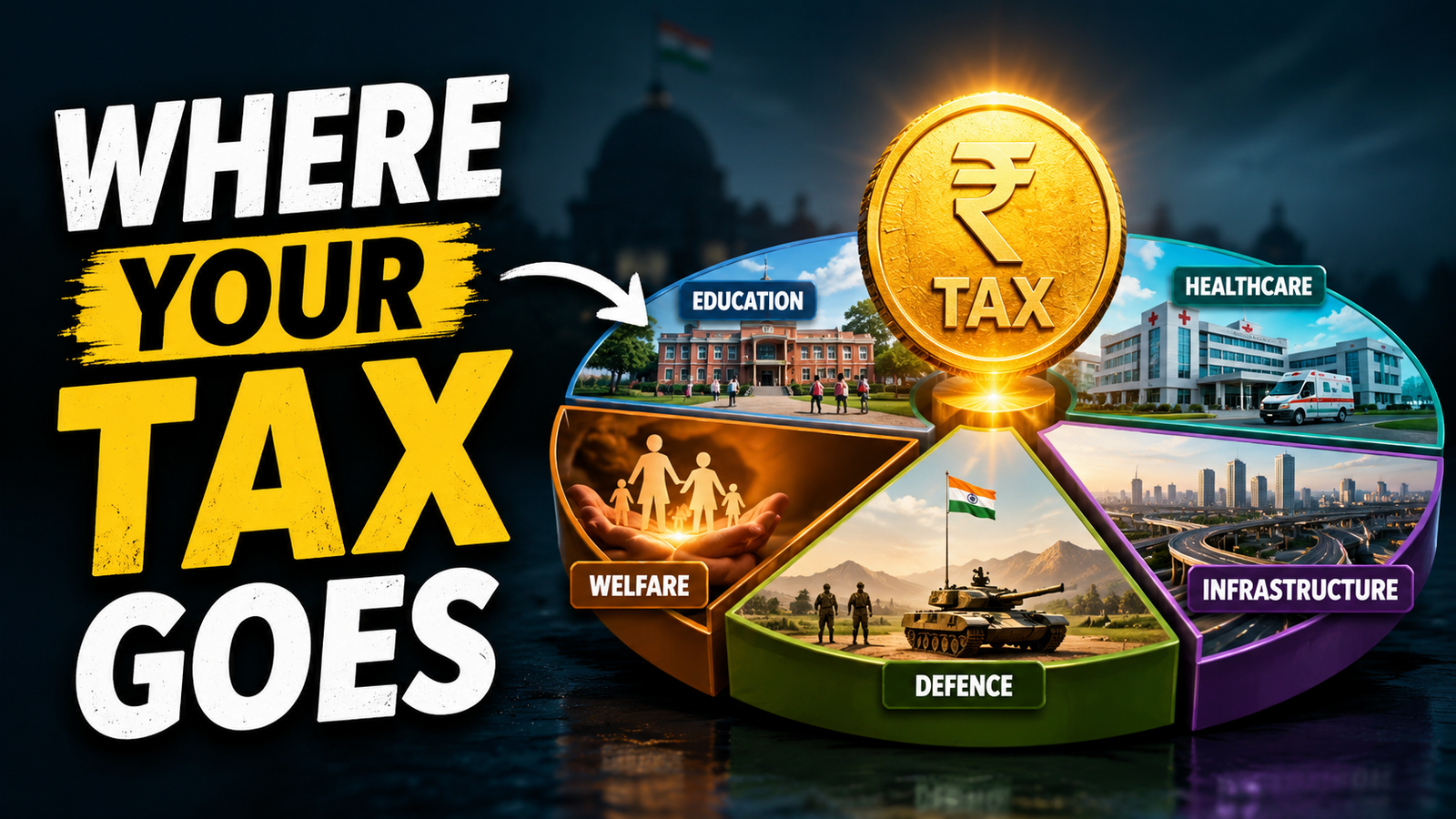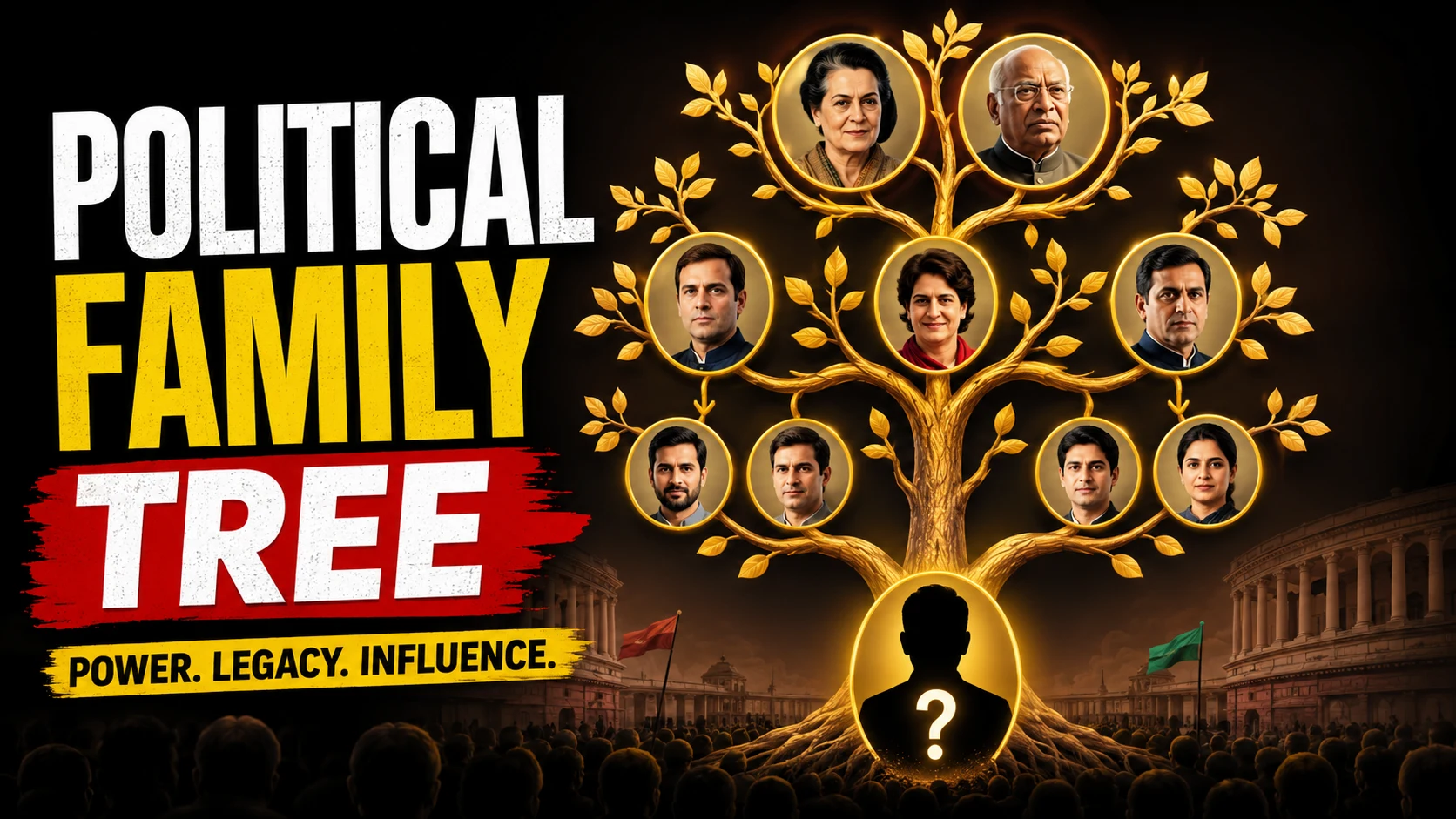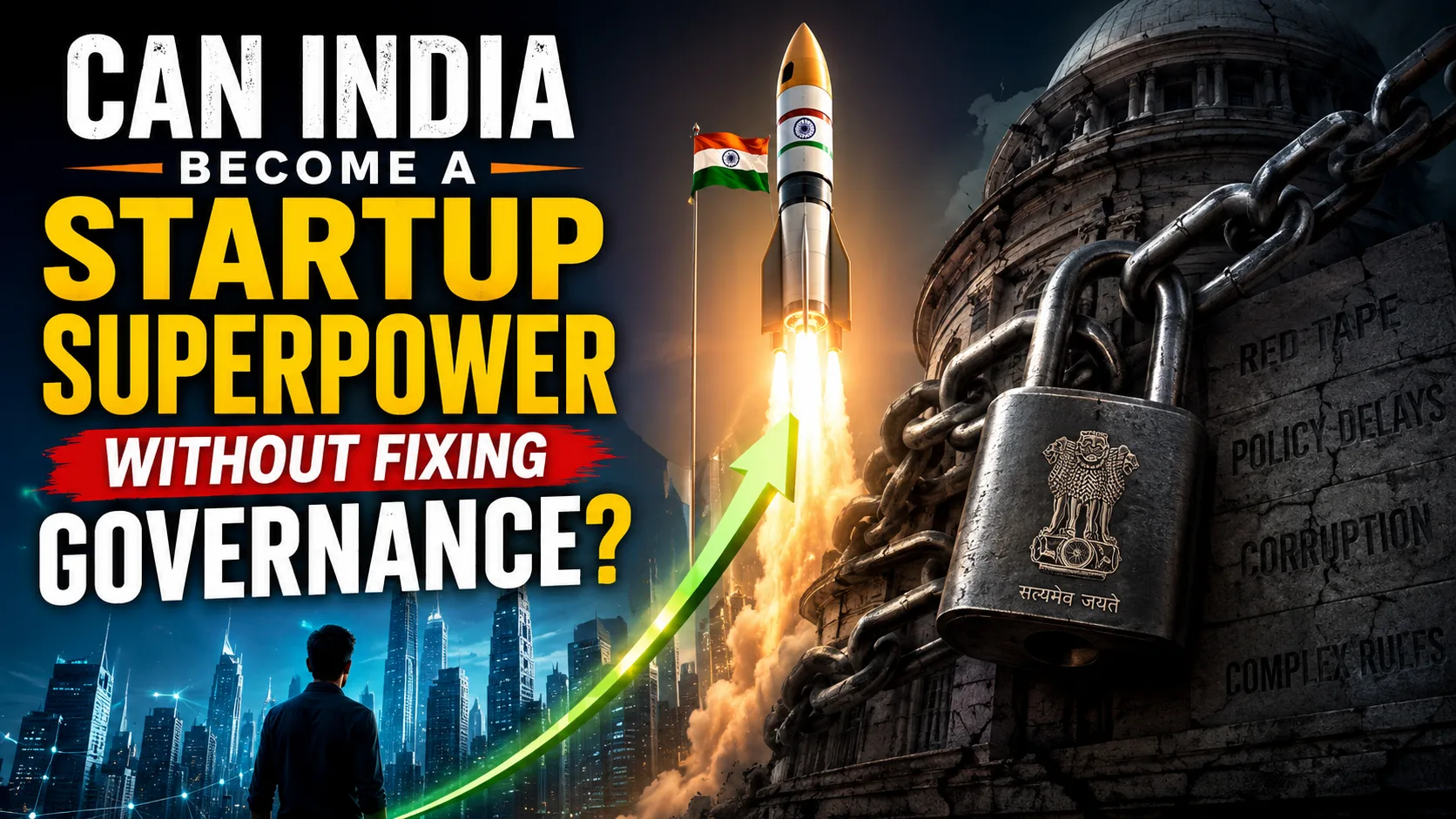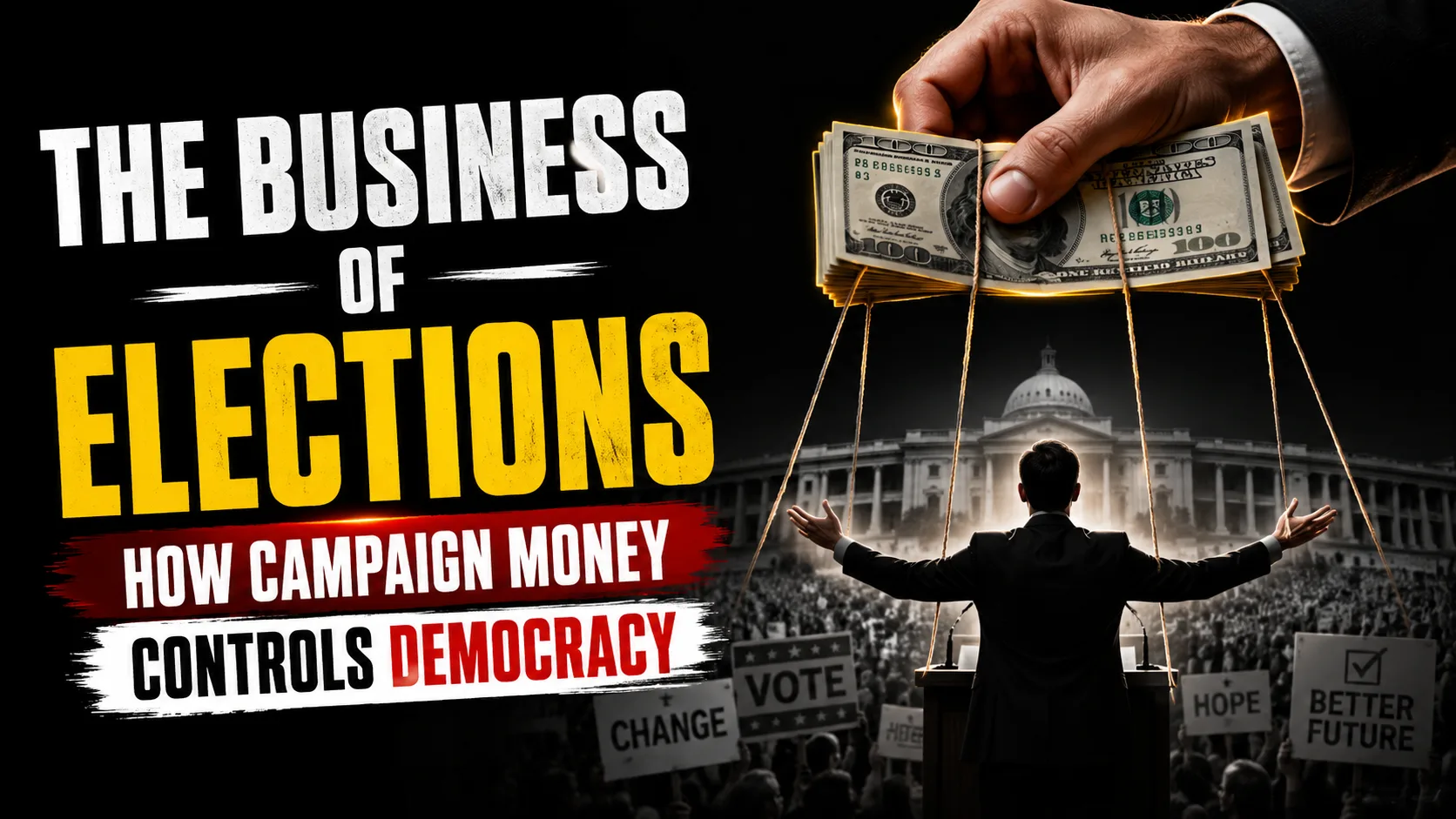
India’s democratic exercises are globally celebrated administrative marvels, but behind the staggering voter turnouts lies a hidden, less democratic reality: the sheer financial machinery required to win. The 2024 general election was estimated to be the most expensive in world history, with independent watchdogs like the Centre for Media Studies (CMS) projecting expenditures exceeding ₹1.35 lakh crore (over $16 billion).
When billions of dollars are poured into an election, it is not an act of charity; it is an investment. For ordinary citizens, this influx of massive, often untraceable capital into the political system fundamentally alters who the government serves, what policies are passed, and whose voices are ultimately heard.
This is the business of elections. And it is slowly pricing the common citizen out of their own democracy.
The Arms Race: Why Elections Keep Getting Pricier
The narrative of the grassroots leader campaigning on a bicycle is increasingly a relic of the past. Today’s electoral battles are fought with fleets of helicopters, sophisticated data-analytics war rooms, armies of paid social media influencers, and saturation-level advertising.
Political finance in India is effectively an unregulated arms race. Because the stakes of holding power are so high—granting control over lucrative state resources, public contracts, and regulatory frameworks—parties are incentivized to outspend each other.
This massive expenditure stems from three primary channels:
- Hyper-Professionalized Campaigning: The rise of political consultancies, high-tech PR machinery, and targeted digital advertising requires massive upfront capital.
- Voter Inducement: Despite strict Election Commission of India (ECI) regulations, the distribution of unaccounted cash, liquor, and freebies remains a systemic, open secret across state and national elections.
- Candidate Wealth: According to the Association for Democratic Reforms (ADR), the probability of a candidate winning an election in India increases exponentially with their declared wealth, severely limiting the entry of capable, middle-class candidates.
The Illusion of Transparency
For years, the political establishment argued that they were cleaning up election finance. The Electoral Bond scheme, introduced in 2018, was pitched as a way to formalize political funding. However, until the Supreme Court of India struck it down in early 2024 as unconstitutional, the scheme allowed unlimited, anonymous corporate donations to political parties.
The subsequent disclosures revealed a stark reality: heavily regulated industries, infrastructure contractors, and companies facing investigations by central agencies were among the top purchasers of these bonds.
Yet, the abolition of electoral bonds has not solved the underlying problem. It has merely forced political funding back into alternative, equally opaque channels, such as electoral trusts or the deeply entrenched shadow economy of cash. The structural reality remains unchanged: political parties across the ideological spectrum rely heavily on corporate and unaccounted wealth to sustain their operations.
The Ripple Effect: How the Public Pays the Price
To the average voter, campaign finance can feel like an abstract, bureaucratic issue. But the consequences of corporate-funded elections are paid for by the public every single day. The return on investment for political funders manifests in several dangerous ways:
1. Crony Capitalism and Policy Capture
When massive conglomerates bankroll campaigns, policies are inevitably shaped to protect their monopolies. Environmental regulations are diluted for mining corporations, labor laws are softened for manufacturers, and tax loopholes are quietly preserved. The citizen’s welfare becomes secondary to the donor’s profit.
2. The Cost of Corruption in Public Infrastructure
Elections run on cash, and a primary generator of political cash is public infrastructure. When contractors are forced to pay kickbacks to fund political campaigns, they recover their margins by using substandard materials. When a newly inaugurated bridge collapses or a highway develops potholes within months, citizens are witnessing the direct, physical consequences of campaign finance extortion.
3. The Death of Representative Democracy
When millions of rupees are required just to secure a party ticket, honest professionals, social workers, and marginalized voices are automatically disqualified from the political arena. The legislature slowly transforms into a club of the ultra-rich, passing laws for a country where the median income remains undeniably low.
The Institutional Paralysis
Why has this system survived? The primary hurdle is a massive conflict of interest: the very lawmakers required to pass campaign finance reforms are the ones who benefit most from the current opacity.
Furthermore, institutional watchdogs face severe limitations. The ECI enforces strict expenditure limits on individual candidates (currently capped at ₹95 lakh for a Lok Sabha constituency). However, there is no cap on how much a political party can spend on a candidate’s campaign. This glaring legal loophole renders candidate expenditure limits practically meaningless.
Reclaiming the Ballot: A Path Forward
Fixing the business of elections requires treating political finance not as a moral failing, but as a systemic flaw that requires structural engineering. Experts, former Chief Election Commissioners, and watchdogs like ADR point to several necessary reforms:
- Cap Party Expenditures: The law must be amended to place a strict, auditable ceiling on the total amount a political party can spend during an election cycle.
- Simultaneous Audits: Political parties must be subjected to independent, real-time audits by the Comptroller and Auditor General (CAG) of India, bringing them under the Right to Information (RTI) Act.
- Partial State Funding: Following the recommendations of the Indrajit Gupta Committee, India could explore partial state funding of elections—providing candidates with free airtime, fuel, and campaign materials—to level the playing field and reduce reliance on corporate money.
- Strict Digital Accountability: Every rupee spent on digital advertising and social media campaigns must be trackable and directly attributed to specific party accounts.
Conclusion
The health of a democracy cannot be measured solely by the millions who line up outside polling booths; it must also be measured by how those in power finance their journey to the top. As long as the cost of winning an election requires candidates to compromise their integrity before they even take the oath of office, governance will remain skewed in favor of the highest bidder.
Reforming campaign finance is not just a battle for electoral fairness—it is a fight for the very soul of the republic. Because a democracy where elections are bought is a democracy where the citizen is already sold.
Also Read The Integrity Penalty: Why Honest Officers Rarely Survive India’s Bureaucratic Maze