In mid-May 2026, a passing courtroom remark inadvertently ignited one of the most unprecedented digital uprisings in modern Indian political history. Born not in the halls of parliament but on the internet, the “Cockroach Janta Party” (CJP) is an unregistered, satirical movement that now commands a social media following dwarfing India’s oldest political institutions. For the ordinary citizen, this phenomenon is far more than a fleeting digital trend; it serves as a glaring barometer of youth disillusionment, an outcry against chronic unemployment, and a stark reflection of a deepening crisis of institutional trust across the nation.
The Anatomy of a Viral Uprising

The genesis of the CJP traces back to a Supreme Court hearing in May 2026, during which Chief Justice Surya Kant reportedly remarked that some unemployed youths are akin to “cockroaches” who “don’t get any employment or have any place in profession.”
While the exact legal context of the transcript remains a subject of debate, the phrase immediately struck a nerve. Across X (formerly Twitter), Instagram, and WhatsApp, the term was rapidly clipped and recontextualized. Rather than rejecting the insult, thousands of young, job-seeking Indians ironically embraced it. The cockroach—an insect known for its sheer biological resilience and ability to survive the harshest conditions—was flipped into a mascot for a generation that feels systematically ignored, yet stubbornly persistent.
By May 16, 2026, the Cockroach Janta Party was formally launched as a parody political outfit. Branded as the “Voice of the Lazy & Unemployed,” its headquarters was jokingly listed as “wherever the wifi works.”
From Meme to Megaphone: The CJP Blueprint
Despite its satirical facade, the organizational mechanics behind CJP reveal a sophisticated understanding of modern digital campaigning. The movement was spearheaded by Abhijeet Dipke, a Boston University graduate and political communications strategist with prior experience working alongside the Aam Aadmi Party (AAP).
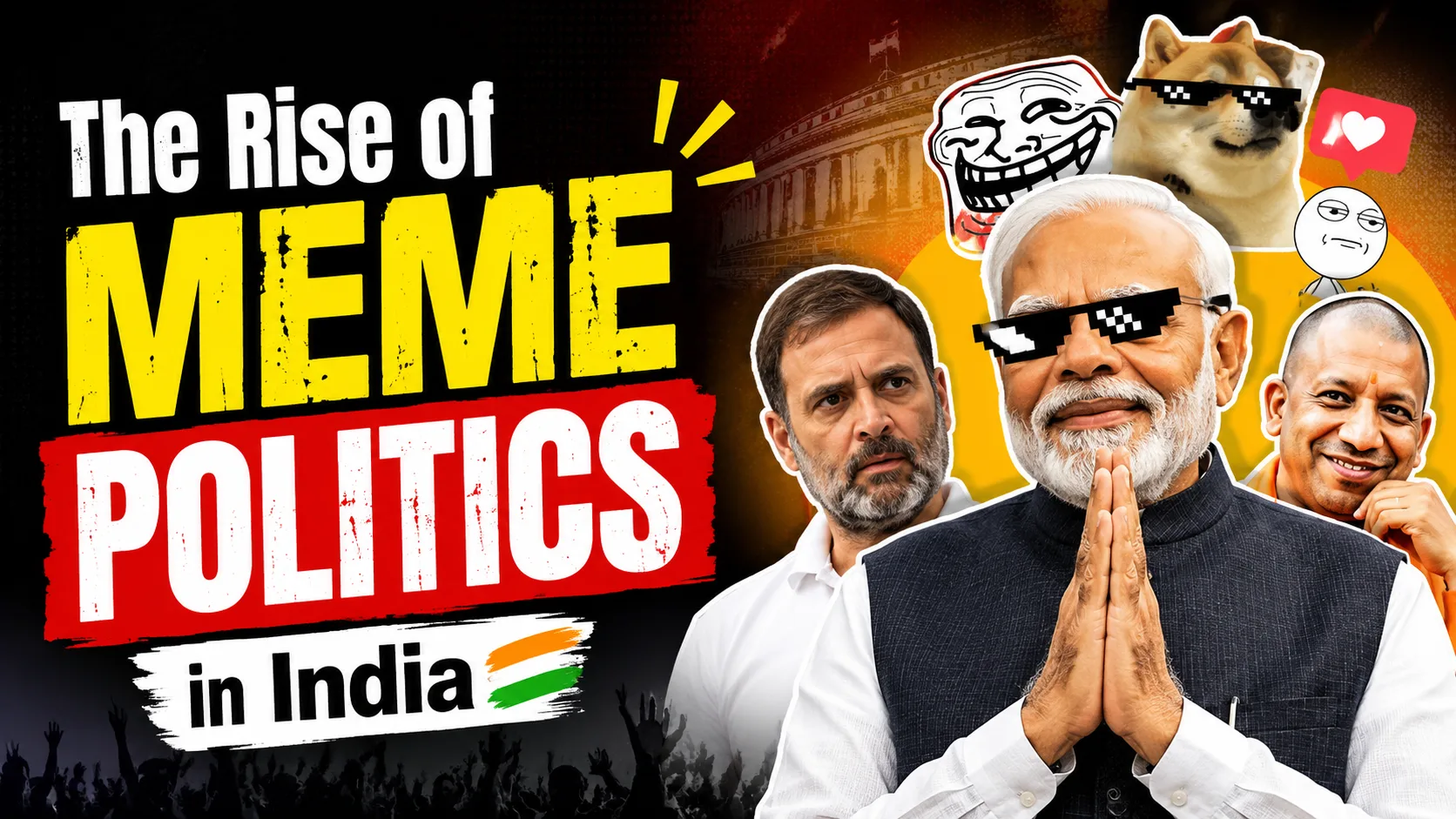
This background in political messaging translated into explosive organic growth. Within days, the CJP’s Instagram account reportedly amassed between 19 and 22 million followers, eclipsing the official follower counts of established national giants like the Bharatiya Janata Party (BJP) and the Indian National Congress. This hyper-viral expansion was driven not by multi-million-rupee advertising budgets, but by a self-sustaining ecosystem of memes, reels, and user-generated short videos.
Simultaneously, a parallel satirical entity dubbed the “National Parasitic Front” (NPF) emerged, referencing another fragment of the original courtroom dialogue. Together, they spawned an entirely new genre of fictionalized, meme-driven political opposition.
ALSO READ Inside India’s Recruitment Scam Economy: How a Job-Hunger Crisis Fuels a Multi-Billion Rupee Network
A Satirical Manifesto Rooted in Systemic Failures
While CJP does not field candidates or possess Election Commission of India (ECI) registration, its online “manifesto” blends internet absurdity with highly specific policy demands. These demands closely mirror the structural concerns raised by economists, civil society advocates, and traditional opposition parties.
Key claims and demands promoted by the CJP network include:
- Judicial Independence: A complete ban on post-retirement political appointments and Rajya Sabha seats for senior judges to prevent conflicts of interest.
- Electoral Integrity: Enhanced transparency in voter list management and strict accountability for the unwarranted deletion of valid votes.
- Gender Parity: Immediate implementation of 50% reservation for women in Parliament and the Cabinet, bypassing gradual rollouts.
- Anti-Defection Enforcement: Swift and uncompromising action against elected representatives who switch party allegiances post-election.
- Youth Employment and Exams: Urgent systemic overhauls to address the crisis of youth unemployment in India, alongside fixing the chronic delays and leaks in competitive examinations.
By wrapping serious civic grievances in Gen Z-friendly irony, the movement has successfully bypassed traditional media filters to reach millions of first-time and young voters.
Institutional Pushback and the Free Expression Debate
The rapid ascent of the Cockroach Janta Party has not occurred in a vacuum, and it has inevitably triggered severe political friction. Supporters of the ruling establishment have publicly alleged that the CJP’s viral surge is the result of coordinated foreign bot networks, particularly pointing fingers at neighboring Pakistan, in an attempt to delegitimize the movement.
In response, Dipke and the CJP team shared backend geographic data indicating that the overwhelming majority of their new followers are based within India. Furthermore, the movement’s leadership reported targeted hacking attempts on their personal accounts.
The controversy escalated when several CJP-linked X accounts became temporarily inaccessible within India while remaining active abroad. For digital rights observers and opposition leaders—including figures from the Samajwadi Party and Trinamool Congress who have engaged with the satire—these accessibility issues raise profound questions about internet censorship, selective blocking, and the state’s tolerance for political humor.
What CJP Reveals About India’s Structural Reality
To dismiss the Cockroach Janta Party as merely a well-executed internet joke is to fundamentally misread the current socio-economic climate in India. The movement highlights three critical realities about the nation today:
- A Crisis of Youth Disillusionment: The CJP’s meteoric rise underscores how deeply disconnected educated, young Indians feel from traditional political rhetoric. Promises of demographic dividends have, for many, devolved into anxieties over stagnant job markets and compromised examination systems.
- The Weaponization of Humor: In a political environment where direct dissent can carry severe legal or social risks, satire provides a protective shield. Irony has become the safest and most effective vehicle for public anger.
- Eroding Trust in Referees: The fact that a movement was sparked by a Supreme Court judge’s remark indicates that the public is no longer just scrutinizing elected officials. The judiciary, the media, and institutional elites are increasingly viewed as active participants in the political narrative rather than neutral arbiters.
Conclusion
The Cockroach Janta Party is unlikely to appear on a ballot paper in the near future, but its existence is a powerful indictment of India’s current institutional landscape. It serves as a reminder that when structural avenues for grievance redressal appear broken, public frustration will inevitably find a new, often unorthodox, outlet.
Whether CJP fades back into the internet ether or evolves into a more structured advocacy group remains to be seen. However, its legacy is already cemented: it has successfully held a mirror up to the establishment, proving that a generation feeling small and ignored can, in unison, cast a very large shadow.
ALSO READ The Paper Illusion: Why Millions of Indian Degrees No Longer Guarantee Employment